
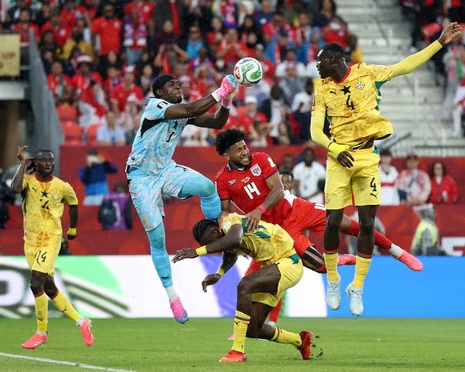
Ghana’s dramatic 1-0 victory over Panama may have been decided by Caleb Yirenkyi’s stoppage-time goal, but the match statistics show how the Black Stars earned all three points through discipline, efficiency and strong defending.
Yirenkyi’s goal in the 95th minute secured a valuable win in Toronto and moved Ghana level with England at the top of Group L.
One of the most notable statistics was possession. Panama controlled 62% of the ball, while Ghana had 38%. Panama also completed 502 passes compared to Ghana’s 292. However, having more possession did not lead to victory.
The expected goals (xG) statistics favoured Ghana. The Black Stars recorded an xG of 1.25, while Panama finished with 0.75. This showed that although Panama had more of the ball, Ghana created the better scoring opportunities. Ghana also produced 1.07 xG from open play, showing their danger on counter-attacks and quick attacking moves.
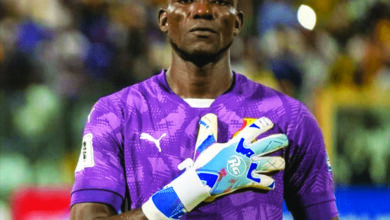
Panama had 11 shots compared to Ghana’s seven and managed four shots on target, while Ghana had two. However, Ghana’s defensive performance made the difference. The Black Stars recorded 16 tackles, 26 clearances and eight interceptions, making it difficult for Panama to create clear chances. Goalkeeper Lawrence Ati-Zigi played a key role before leaving the match through injury at halftime, making several important saves.
Ghana were also stronger in the air. The Black Stars won 63% of aerial duels compared to Panama’s 38%. This helped them deal with crosses and defend comfortably during long periods without possession.
The statistics also highlighted Panama’s biggest weakness on the night, finishing their chances. They created two big opportunities but failed to score from either of them. Ghana, on the other hand, took advantage of their biggest chance when Brandon Thomas-Asante’s low cross found Yirenkyi in stoppage time. The midfielder made no mistake and scored the winning goal.
Another positive sign for Ghana was their direct style of play. They completed 57% of their long passes, compared to Panama’s 51%, and became more dangerous after substitutes Thomas-Asante and Abdul Fatawu Issahaku entered the match.
Overall, the numbers suggest Ghana did not dominate the game, but they showed maturity and discipline. Panama controlled possession and spent more time on the ball, but Ghana made the most of the key moments. Their stronger xG, solid defending and clinical finishing earned a victory that could be very important in the battle for a place in the knockout stage.
Share this:



2 Comments