Building a football partnership with a foreign club is one of the most powerful steps a Ghanaian team or academy can take to elevate its professionalism, training standards, exposure, and international credibility.
These partnerships—whether with European, Asian, American, or Middle Eastern clubs—open doors to coaching exchanges, player development programs, scouting opportunities, and often financial or logistical support.
But forming such a partnership does not happen by chance. It requires strategy, professional branding, consistent communication, and a clear value proposition. Below is a comprehensive guide on how Ghanaian football teams, academies, and organizations can successfully build meaningful international football partnerships.
1. Establish a Strong and Professional Local Structure
Before any foreign club engages with you, they will assess whether your organization is credible, stable, and well-run. Foreign clubs are very cautious about partnerships, especially in Africa due to past issues with mismanagement and unrealistic promises.
To build trust, you must have:
A registered football organization with proper documentation
A functioning management team
A home venue or training ground
Age-category teams (U13, U15, U17, U20, senior)
Qualified coaches with CAF or FIFA-recognized certifications
A clear development plan or academy philosophy
Social media presence and updated digital platforms
Foreign clubs want assurance that your academy or team exists, is organized, and is consistently active. Without structure, conversations will not move beyond the first email.
2. Build a Strong Brand and Online Presence
In modern football, an academy without an online footprint is nearly invisible.
A strong brand includes:
A professional logo
A modern website
High-quality photos and videos of training sessions, matches, and facilities
Active social media pages (Facebook, Instagram, TikTok, YouTube)
Player highlight videos
Regular updates on achievements and community programs
Foreign clubs often research partners online. Your digital presence should speak professionalism, ambition, and consistency.
3. Identify the Type of Partnership You Want
Football partnerships are not one-size-fits-all. You must clearly define what you are seeking, because foreign clubs have different priorities.
Common partnership categories:
Player Development Partnership
Access to send players for trials, exposure tours, and elite training camps.
Coaching & Technical Partnership
Exchange programs where coaches receive foreign training or licenses.
Scouting Collaboration
A foreign club assigns scouts to your academy and regularly monitors talent.
Branding & Marketing Partnership
Foreign clubs help promote your academy or co-brand football events.
Affiliate Club Relationship
Your academy becomes an official affiliate, sharing philosophy, curriculum, and identity.
Knowing exactly what you want makes your proposal stronger and more appealing.
4. Research and Target the Right Clubs
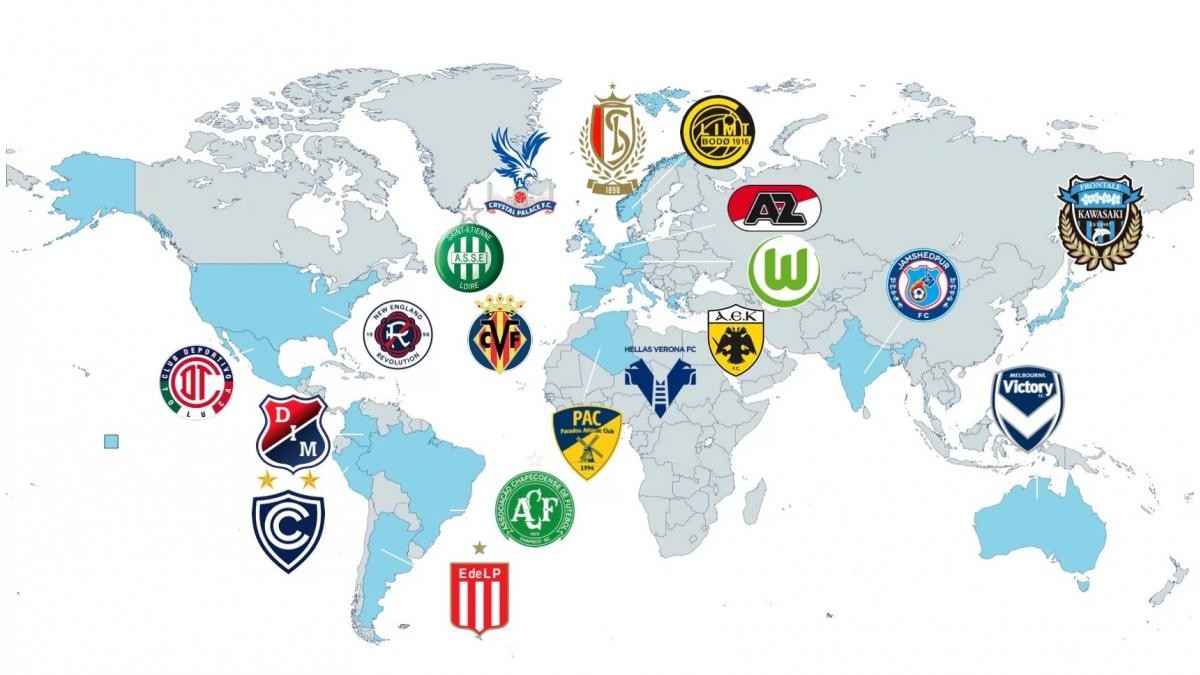
Not every foreign club is the right fit. Big clubs like Real Madrid, Chelsea, or Bayern Munich almost never partner with small academies unless there is extraordinary value.
Instead, target:
Mid-sized European clubs
Scandinavian clubs (Sweden, Norway, Denmark)
Eastern European clubs
MLS Next academies in the USA
Lower-division Portuguese or Belgian clubs
Middle Eastern clubs looking for African talent
Asian clubs seeking development partnerships
These clubs often have limited budgets but are highly open to African collaborations due to the talent pool and affordable development cost.
5. Create a Professional Partnership Proposal
Your proposal must be written in clean English, structured, and convincing. It should include:
What to include in the proposal:
Background of your club or academy
Mission and development philosophy
Current achievements and player success stories
Training methodologies and coaching structure
Facilities and equipment
Number of players and categories
Your vision for the partnership
Benefits for the foreign club
A clear plan for communication and long-term cooperation
Foreign clubs respond better when they see organization, clarity, and long-term vision.
6. Highlight What You Offer the Foreign Club
Partnerships must be mutually beneficial. Many Ghanaian academies fail because they only ask for help but offer nothing in return.
Foreign clubs are often interested in:
Access to young, talented players
Opportunities to expand their brand into Africa
Affordable scouting networks
Community programs and CSR opportunities
Player exchange projects
Youth tournaments and talent hubs
Make sure your proposal explains what YOU can give them—not just what you want from them.
7. Use the Right Channels to Reach Out
Clubs receive thousands of messages. To be successful, use professional channels:
Best methods to contact foreign clubs:
Official club email (found on website)
LinkedIn (contact academy directors or technical managers)
Football conferences like WFS, Soccerex, or AFEX
Embassy cultural and sports departments
Ghanaian players abroad who can link you
Agents who already work in Europe or Asia
Visiting clubs during preseason tours
Avoid sending random WhatsApp messages—that is unprofessional and often ignored.
8. Build Relationships Before Asking for Partnership
Foreign football is built on trust, networking, and long-term interactions. Do not ask for trials immediately. Instead:
Share updates about your academy’s progress
Send them match reports or development milestones
Invite them to watch your games via livestream
Ask for small advice before bigger commitments
Once a relationship is established, partnership discussions become natural.
9. Start Small and Grow Over Time
Most successful international partnerships began with small steps:
A friendly exchange of coaching materials
Invitation to online seminars
Sending match videos for feedback
A single player invitation to a youth camp
Joint talent identification programs
Once the club sees your professionalism and consistency, bigger opportunities like trials, tours, and full affiliation can follow.
10. Maintain Transparency and Professionalism
This is where many Ghanaian clubs fail. Foreign partners value honesty more than talent.
Maintain:
Clear communication
Financial transparency
Player age verification
Medical reports
Respect for agreements
Consistent updates
Breaking trust kills the partnership permanently and affects your reputation internationally.
Conclusion
Building a football partnership with a foreign club is a long-term strategic process—not a quick shortcut to sending players abroad. Ghanaian clubs and academies can achieve international collaboration by building professionalism, strengthening branding, researching the right partners, and presenting well-structured proposals.
With consistency and credibility, even small Ghanaian football academies can successfully collaborate with European, American, Asian, or Middle Eastern clubs—opening massive opportunities for players, coaches, and the entire football ecosystem.